
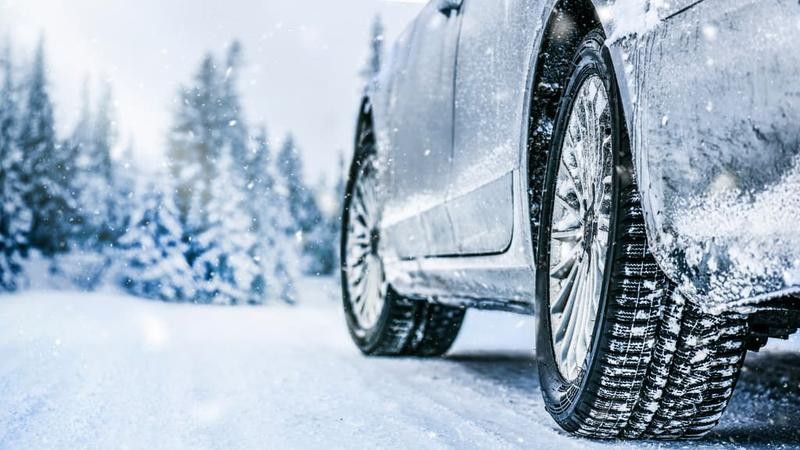
Is your car winter ready? – November 2019
It’s hard to believe that winter is just around the corner once again. With more snow and cold weather than last year predicted, it’s a no brainer that drivers need to prepare their vehicles for the possibility of extreme weather conditions.
The RAC recommends exactly this approach because underlying mechanical issues can escalate as temperatures drop.
The Basics
The organisation’s handy acronym highlights the checks which should be carried out regularly regardless of the time of year, but which become even more important as we head into the chillier season.
It is; ‘FORCES’-Fuel/Oil/Rubber/Coolant/Electrics/Screenwash.
Attending to these basics can prevent problems from ever arising in the first place.
Car battery
Cold and damp weather can affect your car battery, making it harder for the engine to turn over, particularly if you drive an electric vehicle. The cold can also negatively impact on the level of power a battery can deliver and the additional demands of heaters, for example, can drain its capacity even further. It might be necessary to replace the battery altogether if this is an issue, so keep your eye on it!
Lights
It’s vital to ensure that car lights are checked and cleaned regularly to maintain their effectiveness from the driver’s perspective as well as the vehicle’s visibility to other road users.
It’s wise to carry extra bulbs ‘just in case’ and learn how to replace them while conditions are still favourable . After all, finding yourself in a situation where you need to figure this out for the first time in dark, freezing conditions is not a prospect any of us would relish!
Emergency Kit
The Scout motto; ‘Be Prepared,’ are words to live by, and not least when it comes to assembling your winter emergency car kit!
Useful items might include; shovel, blanket, torch, spare batteries, mobile phone and charger, de-icer and scraper, tow-rope, wellies, warm clothing and food and drink. You never know when you might need them!
A First-Aid Kit is often supplied as standard in new vehicles but if not, it’s worth adding one to your main kit.
If you do end up stuck in snow and need to improvise, then rolled-up car mats can be placed under your wheel to create traction.
Take it slow in ice and snow!
The AA reminds us that stopping distances in these conditions are 10 times longer.
Additionally, they advise pulling away in second gear and easing your foot off the clutch gently to prevent wheel spin.
They also recommend when driving uphill to leave plenty of room or wait until the road is clear so there’s no need to stop part way up. Maintaining a constant speed is advisable as is avoiding having to make a gear change on the hill, if possible.
When driving downhill, slow before the hill and use a low gear to avoid braking. Also allow plenty of room for the car in front.
Apply the brakes gently as necessary.
Before you leave
Always allow extra time for winter journeys and give yourself time to de-ice the car before you have to set off. It makes sense to stick to main roads which are more likely to be cleared and gritted.
With all your checks now complete, all that remains is to have a safe journey....