
Motoring New Years Resolutions
Now that January is in full swing, how are you getting on with your New Year’s Resolutions?
We thought so!
However, there is still time to commit to making a few changes – and a great starting point is with your motoring.
1. Learn How to Change a Tyre
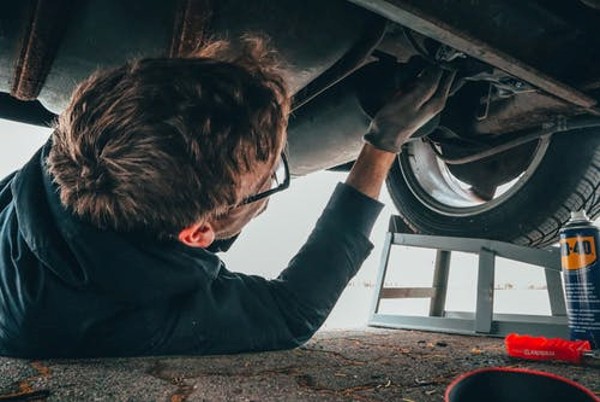
This is a valuable skill all drivers should master if they haven’t done so already. Remember that a situation could arise where Roadside Assistance just isn’t possible, so it makes sense to have gained previous experience of tackling the problem yourself.
Check out your local college for details of Car Maintenance classes.
2. Learn how to jump start a vehicle
To prevent being stranded on the roadside or being unable to help when someone else asks, learn how to jumpstart a dead battery. Bear safety considerations in mind-you will need to determine which battery post is positive and which one is negative.
A car maintenance class will also tend to cover this scenario, but on-line videos guiding you step-by-step through the process are available too.
3. Go Greener
It’s so easy to fall into the (bad) habit of nipping round to the local shop by car just to buy a pint of milk, especially if the weather is bad. It’s worth remembering that avoiding those shorter, unnecessary trips will instantly render the use of your car more green. Making every journey count reduces wear and tear on the engine. Additionally, it will reduce exposure to harmful bursts of pollution because a vehicle’s pollution control system does not usually have sufficient time to become fully functional on a five-minute journey.
4. Plan Your Journey
One further way of adopting a greener approach to driving is to avoid being on the road at peak times by leaving the house extra-early. In turn this reduces the prospect of sitting in traffic queues for long periods with the engine idling.
Finding an alternative route may get you to your destination more quickly even if it involves more miles. If the road is less busy, chances are it will take less time. An idling car produces up to 150 ‘balloons’ of noxious chemical exhaust emissions every minute – that’s a pretty scary statistic!
5. Keep Your DPF Clean!
If you drive a diesel car then chances are you will know that since 2009 it has been a requirement for diesel particulate filters (DPFs) to be fitted to the exhaust system of diesel engines.
Their function is to capture and store exhaust soot in order to reduce emissions but because of their finite capacity, the trapped soot must be emptied or burned off.
The manufacturer’s instructions should be followed to keep the DPF clean and in good working order.
6. Check Wheel Alignment
Wheel balance and alignment are important aspects of car maintenance as they can impact on both fuel efficiency and safety on the road.
The general recommendation is to have your tyres rotated, balanced and aligned every 5000 miles but your car manual will provide guidance that is specific to your own particular vehicle on this issue.