

Travelling with your dog in the car
Travelling with Your Dog By Car
In the UK today there are 8.9 million pet dogs and we consider them to be important members of our families. Naturally it’s become part and parcel of everyday life for our four-legged friends to accompany us on car journeys.
The Legalities
It is important to be aware that the driver has a legal responsibility to ensure that his/her pet remains safe and secure while travelling.
In fact, travelling with pets is covered by Rule 58 of The Highway Code which states;
“When in a vehicle, make sure dogs or other animals are suitably restrained so they cannot distract you while you are driving or injure you, or themselves, if you stop quickly. A seatbelt harness, pet carrier, dog cage or dog guard are ways of restraining animals in cars”.
According to research by Direct Line Insurance, more than a quarter of owners fail to adequately secure their pets before setting off on a journey.
Allowing an unrestrained dog to jump about in a vehicle could certainly be deemed as careless driving.
If an accident should occur as a result, the driver could find themselves facing a charge for the more serious offence of dangerous driving which carries not only a custodial sentence but also a disqualification of twelve months minimum.
The Risks
Aside from distracting the driver, a dog moving freely around the car could move, or prevent access to, the steering wheel, gear stick and foot pedals.
Additionally, there is the risk of harm to your pet itself; for example, a loose dog could be injured or even killed by an airbag.
According to 22% of vets consulted by Direct Line Insurance, travelling without proper restraint was the main cause of injury or death to dogs inside cars involved in a crash.
If a dog is allowed to travel with its head out of a car window, debris from the road could injure its face.
Rachael Kilroy, a senior Veterinary Surgeon at Vets for Life advises;
“If a dog is not secured safely, then sharp braking or even collision could result in them being catapulted sharply forwards, potentially causing life-threatening internal injuries as well as trauma to passengers in the car”.
To minimise the risk of dog-related accidents of this nature, it’s vital to ensure a suitable restraint is used.
There are a number of products on the market ranging from pet seatbelts to harnesses and crates which can be made secure in the boot of the vehicle.
The size of your dog as well as the type of vehicle you own will need to be considered when choosing a restraint.
*FROM OLLIER’S MOTOR LAW: Driving with Dogs in a Car/Travel Tips and the Law
www.themotoringlaw.uk›News
Below are some ideas for securing your pet comfortably while they travel;
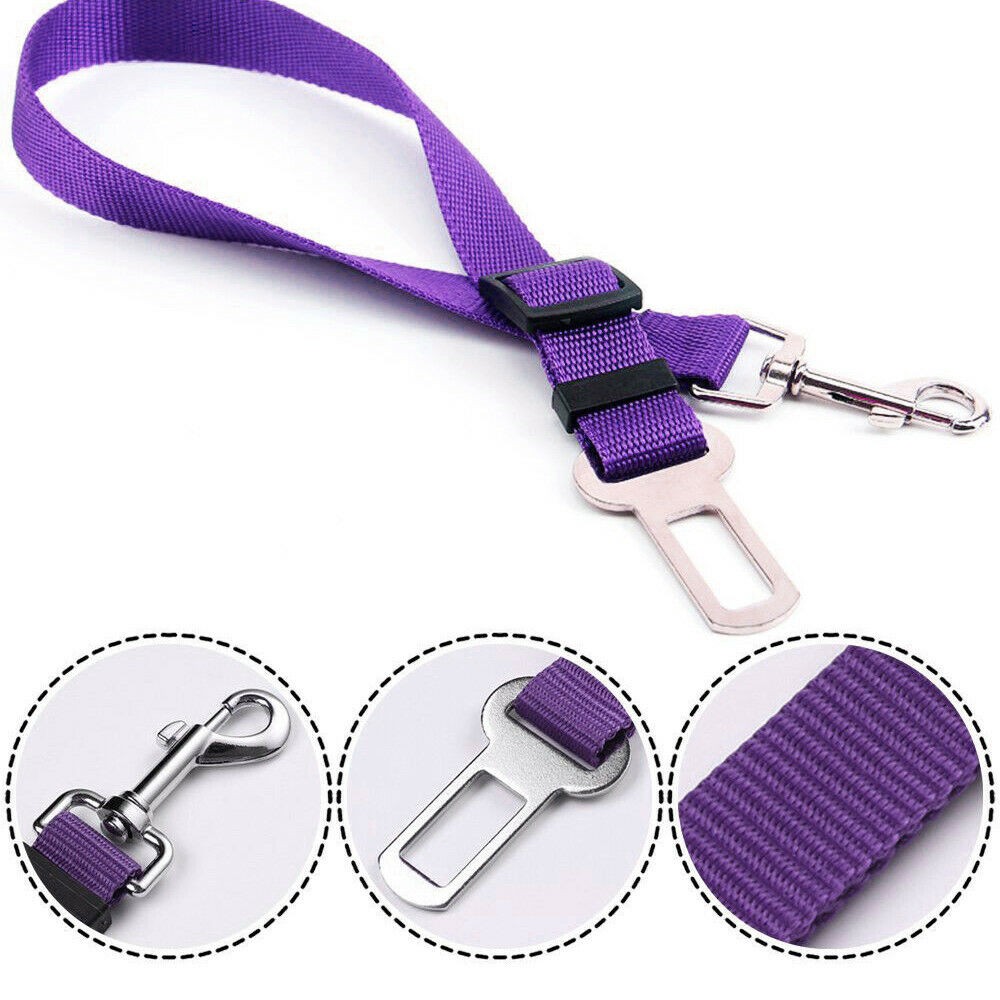
Dog Car Seat Belt: Amazon.co.uk
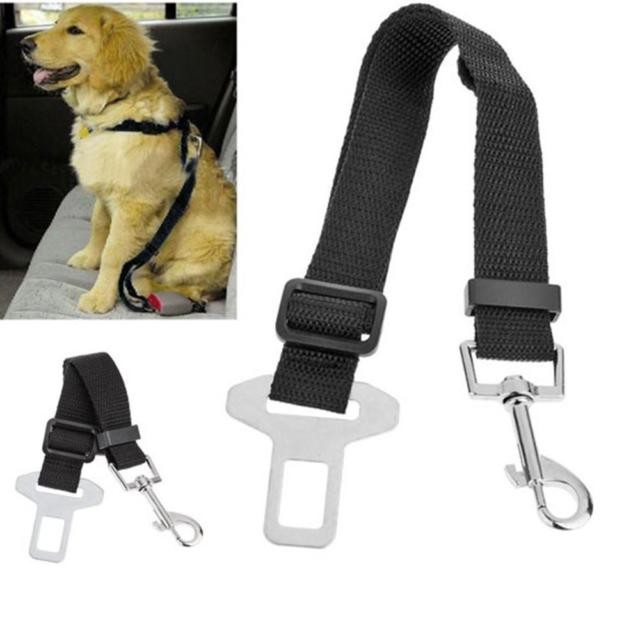
doggie solutions clix car safety harness - Bing
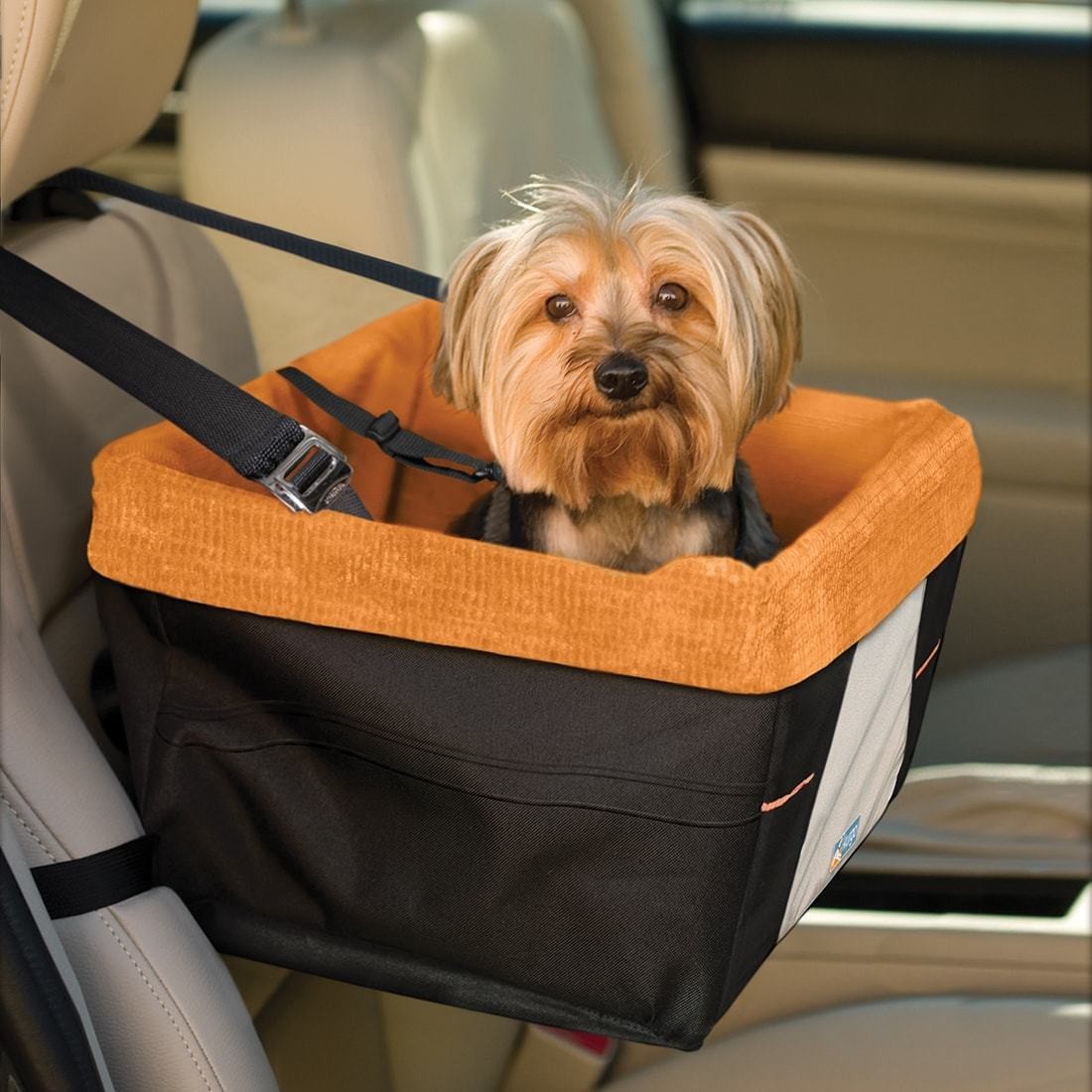
Kurgo Heather Dog Booster Seat for In-Car | Pets At Home
(An Award-Winning booster seat for small dogs under 30lbs)
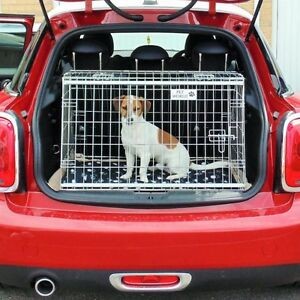
Ellie Bo Deluxe Car Slanted Dog Crate – Lords & Labradors
Welfare of Dogs when Travelling by Car
Ruth Peters, Specialist Motoring Solicitor at Olliers Motor Law advises taking the following precautions when travelling with your dog:
- (Also use an appropriate pet restraint and never drive with an unrestrained pet.)
- Take regular breaks and always offer your dog drinking water at appropriate times as well as allowing them to exercise when taking a break.
- Never ever leave a dog alone in a vehicle. Dogs are not able to cool down as effectively as humans so could suffer from heat stroke and dehydration very quickly. Leaving a window open or parking in the shade is simply not sufficient and vehicles can become extremely hot very quickly.
- Do not let dogs hang their head outside cars. The Dogs Trust advises that owners shouldn’t allow their dog to hang their head out of the window while they are moving as this could be potentially dangerous for the dog as well as distracting for the owner.
- Let your dog get used to travelling in a car. If your dog is not a regular traveller then build up journeys with short trips before embarking on a long journey.
Finally if you ever see a distressed dog in a vehicle please call 999 or the RSPCA on 0300 1234 999 or follow them on Twitter @RSPCA_official